


Halloween has become a major cultural celebration, with families spending money on costumes, decorations, and candy. For many people, it’s simply a fun night for children. But as followers of Jesus Christ, I believe we need to ask a more important question: Should Christians participate in Halloween, and if so, where should we draw the line?
To answer that question, we need to look beyond what our culture considers normal and examine the spiritual history behind the celebration.
Understanding Halloween’s Origins
Halloween has roots in the ancient Celtic festival of Samhain, which was associated with the changing seasons, death, and beliefs about the boundary between the living and the dead. Bonfires, costumes, and other practices were part of these ancient observances.
Over time, Christian traditions surrounding All Saints’ Day and All Souls’ Day became associated with this period of the calendar. The result is a complicated history in which cultural and religious customs have become intertwined.
But giving a tradition a new name doesn’t automatically settle the question of whether it honors God.
Scripture calls us to exercise discernment concerning spiritual practices. In Deuteronomy 18:10–12, God specifically warns His people against witchcraft, divination, sorcery, and attempts to consult the dead. These aren’t matters we should dismiss simply because our culture treats them as entertainment.
As Christians, we must take God’s Word seriously and allow it to shape our decisions.
We Can Enjoy Autumn Without Embracing Everything
I believe it’s important to distinguish between celebrating the beauty of autumn and participating in Halloween traditions that conflict with our convictions.
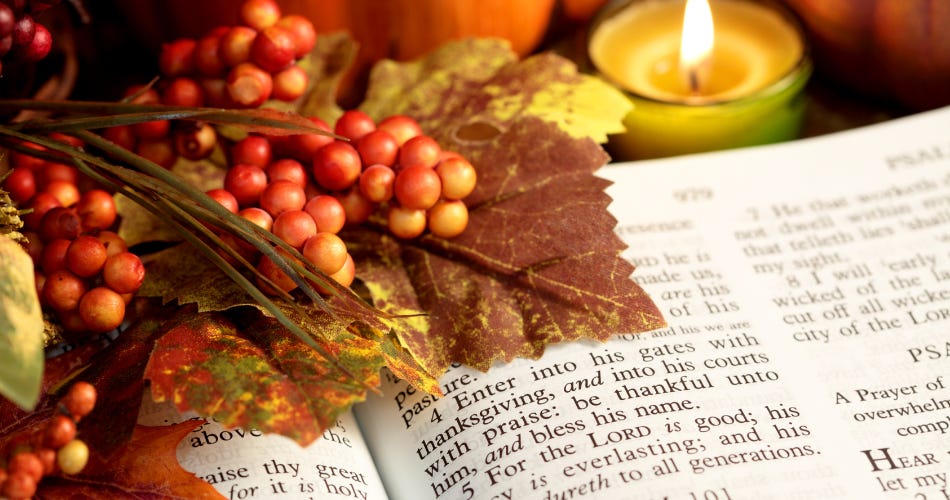
There’s nothing wrong with decorating our homes with autumn leaves, celebrating the harvest, or gathering our families for a seasonal celebration. We can create meaningful traditions without incorporating practices that contradict our faith.
The question isn’t whether we should withdraw from our communities. It’s how we can remain faithful to Christ while living among people who may not share our convictions.
How Can We Shine the Light of Jesus?
Here’s something I want us to consider: we cannot shine the light of Jesus into the darkness while embracing the very things that contradict His truth.
But neither should our convictions make us indifferent to the people around us.
When children come to our doors, we have an opportunity to welcome them with kindness, show them the love of Christ, and build relationships with our neighbors. We can create Christ-centered harvest celebrations and find appropriate ways to make the gospel known.
We don’t have to compromise our beliefs to demonstrate love, mercy, and grace.
There’s also a significant connection between October 31 and the Protestant Reformation. On October 31, 1517, Martin Luther presented his Ninety-Five Theses, an event remembered as a defining moment in church history. That date gives us another reason to reflect on the importance of the gospel and the truth of God’s Word.
My desire isn’t simply to tell Christians what to avoid. I want us to consider how we can use our lives, our homes, and our communities to point people toward Jesus Christ.
We can stand firm in our convictions and still reach people with the love of Christ. In fact, we must learn to do both.